Workplace Culture
Menu

Here’s what’s happening right now: every CEO we speak to is wrestling with the same three pressures:
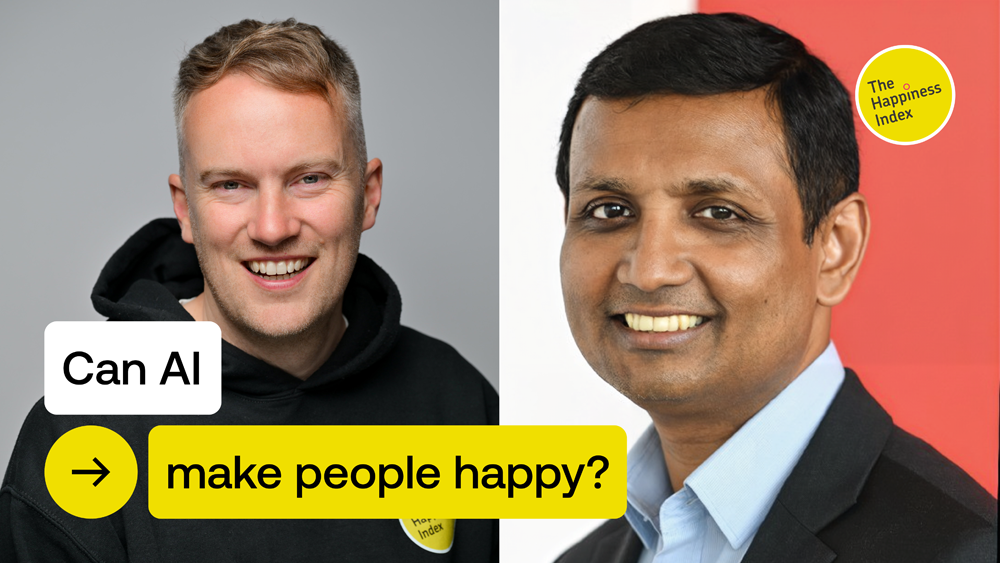
Suvo offered a perspective that cuts through the noise. And it starts with a simple, powerful principle.
This isn’t a platitude. It’s a strategy. And when you see it in action, the impact is remarkable. When AI handles the noise, the administrative tasks, the repetitive workflows, the endless non-essentials, something remarkable happens. Your people get time back. Not just minutes, but meaningful time to think, create, and actually connect with colleagues.
“Let AI take away the noise, administrative and repetitive tasks, giving your employees time back to think, create, collaborate, and use their benefits like wellbeing and lifestyle to live fuller lives.”
“Productivity happens when the workplace is a happy environment, when people feel light, energised, more supported by their organisations, and connected to the purpose.”
Here’s where most leaders miss the point. Productivity doesn’t come from squeezing more output from exhausted teams. It emerges naturally when the conditions are right.
The moments when productivity spikes are when you remove the friction that stops people from doing their best work.
AI can be that friction remover. But only if you deploy it with that intention. The question isn’t, “What can AI replace?” It’s, “How can AI elevate the uniquely human strengths of our workforce?”
“The CEOs who will win the next decade are the ones who won’t see AI as a cost-cutting tool, but as a capacity-creating tool. One that elevates the uniquely human strengths of their workforce.”
This is the insight that separates the leaders who plan for the long-term vs the short-term. When people feel valued and free to focus on work that genuinely matters, they don’t just do better work. They’re happier.
“They build a culture which neither AI nor another competitor can copy,” Suvo added. That’s what’s defensible.
If you’re curious about how this plays out in practice, how AI can genuinely enhance the rational drivers of engagement and the emotional drivers of happiness, listen to our full conversation with Suvo.
We explore everything from how AI can act as a career co-pilot to why acknowledgement varies more than any other workplace driver to the phenomenon of “job hugging”.
That’s people staying in roles that make them unhappy because they fear there’s nothing else. Complex ideas made beautifully simple, grounded in evidence, utterly compelling.
Because here’s the truth. AI isn’t coming. It’s here. The question isn’t whether it’ll reshape work, but whether you’ll use it to make your people more human, or less.
On 26th March, The Happiness Index, sponsored by Pluxee, are launching the world’s deepest study into workplace engagement and happiness. Be a part of it today!
Benchmark yourself for free, add your voice to our global study, and discover what the data reveals about your culture.
Related articles

Get in touch for a quick chat with one of our experts to see how we can help you.

Take our benchmark to map where your organisation is now, and where it needs to be.